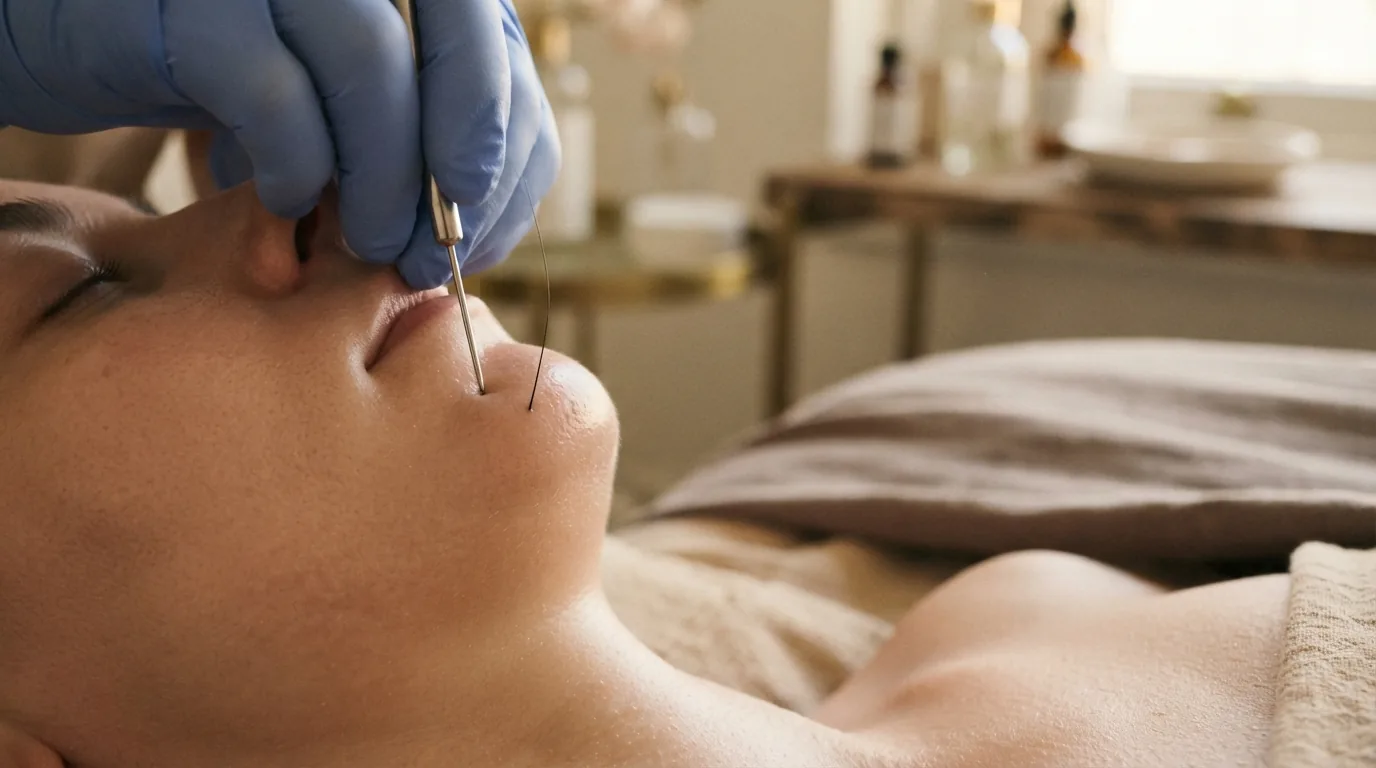
Electrolysis is widely known as the only true - FDA approved - permanent hair removal method, but from a corneotherapist’s perspective, its value goes far beyond aesthetics. For clients with sensitive, reactive or barrier-damaged skin, electrolysis offers a precise, controlled, and skin-respectful solution that aligns perfectly with the principles of corneotherapy.
Understanding how electrolysis interacts with the epidermis, the follicular structure, and the inflammatory cascade allows us to perform the treatment with precision, safety, and long-term skin health in mind.
What Makes Electrolysis Different?
Most hair removal methods like laser, IPL, waxing and threading affect the skin surface or rely on pigment. Electrolysis is different. It targets only the hair follicle, leaving the surrounding skin barrier largely undisturbed.
From a corneotherapy standpoint, this is crucial. The stratum corneum is the skin’s protective shield, and any treatment that disrupts it unnecessarily can trigger inflammation, sensitivity, or long-term barrier dysfunction. Electrolysis avoids these risks by delivering energy directly into the follicle, where the stem cells responsible for hair growth reside.
This precision makes electrolysis the gold standard for clients who prioritise skin health.
Why Electrolysis Is the Safest Choice for Sensitive or Compromised Skin
Electrolysis is suitable for every skin type and every hair type and colour, including:
- Sensitive or reactive skin
- Rosacea, dermatitis, eczema-prone skin
- Acne-prone skin
- Fitzpatrick IV-VI
- White, grey, red, blonde, and vellus hairs
- Hormonal facial hair (PCOS, menopause, genetics)
Laser and IPL can be effective for reduction, but they carry higher risks of:
- Post-inflammatory hyperpigmentation
- Pigment-related complications (melasma flares, loss of pigment, uneven melanin distribution)
- Barrier disruption
- Heat-induced inflammation
Electrolysis avoids these issues entirely because it does not rely on melanin. It is safe, predictable, and barrier-friendly, even for clients who cannot tolerate other methods.
What Happens to the Skin During Electrolysis?
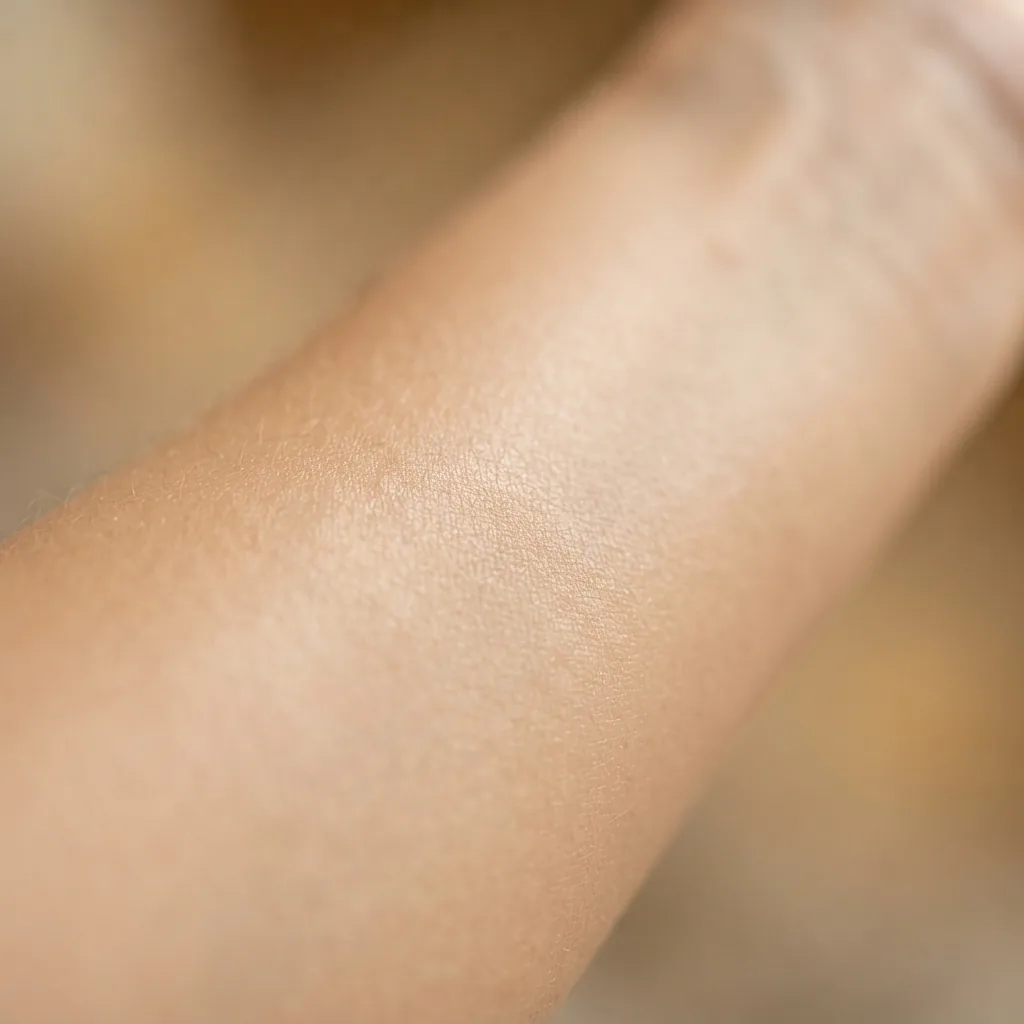
Each insertion is a controlled micro-injury. The skin experiences:
- A short, localised inflammatory response
- Minimal disruption to surrounding tissue
- A predictable healing pattern
For a corneotherapist, the goal is to support this healing process without interfering with the skin’s natural functions. When the barrier is respected, the skin recovers quickly and efficiently.
Corneotherapy-Aligned Aftercare for Electrolysis
Post-treatment care is essential for maintaining barrier integrity. Instead of harsh antiseptics or drying agents, we focus on physiological, barrier-supportive skincare:
- Gentle, non-stripping cleansing
- Anti-inflammatory, non-sensitising actives
- Barrier-repair moisturisers
- Avoidance of fragrances or occlusive products
- Optional LED therapy to accelerate healing
This approach reduces inflammation, prevents congestion, and supports long-term skin resilience.
From a corneotherapist’s perspective, electrolysis is the safest, most precise, and most physiologically aligned method of permanent hair removal. It respects the skin barrier, avoids pigment-related risks, and delivers predictable results for every skin type and hair type.
When combined with barrier-focused aftercare, electrolysis becomes a powerful tool for long-term skin health and confidence.
Considering permanent hair removal that respects your skin barrier? Find out more about electrolysis at Hearting Beauty.
Explore ElectrolysisRelated Posts
Why Does My Skin Sting?
Why Hyaluronic acid can trigger stinging and flare-ups in rosacea-prone skin, explained through barrier physiology.
Corneotherapy: The Science of Skin Barrier Health
Discover how Corneotherapy's scientific approach to skincare can transform your skin by focusing on barrier repair and protection.